Repair of Roofing: Expert Guide to Roof Repair
Written by
Scarlett
Published on
January 20, 2026
Reading Time
4 min read
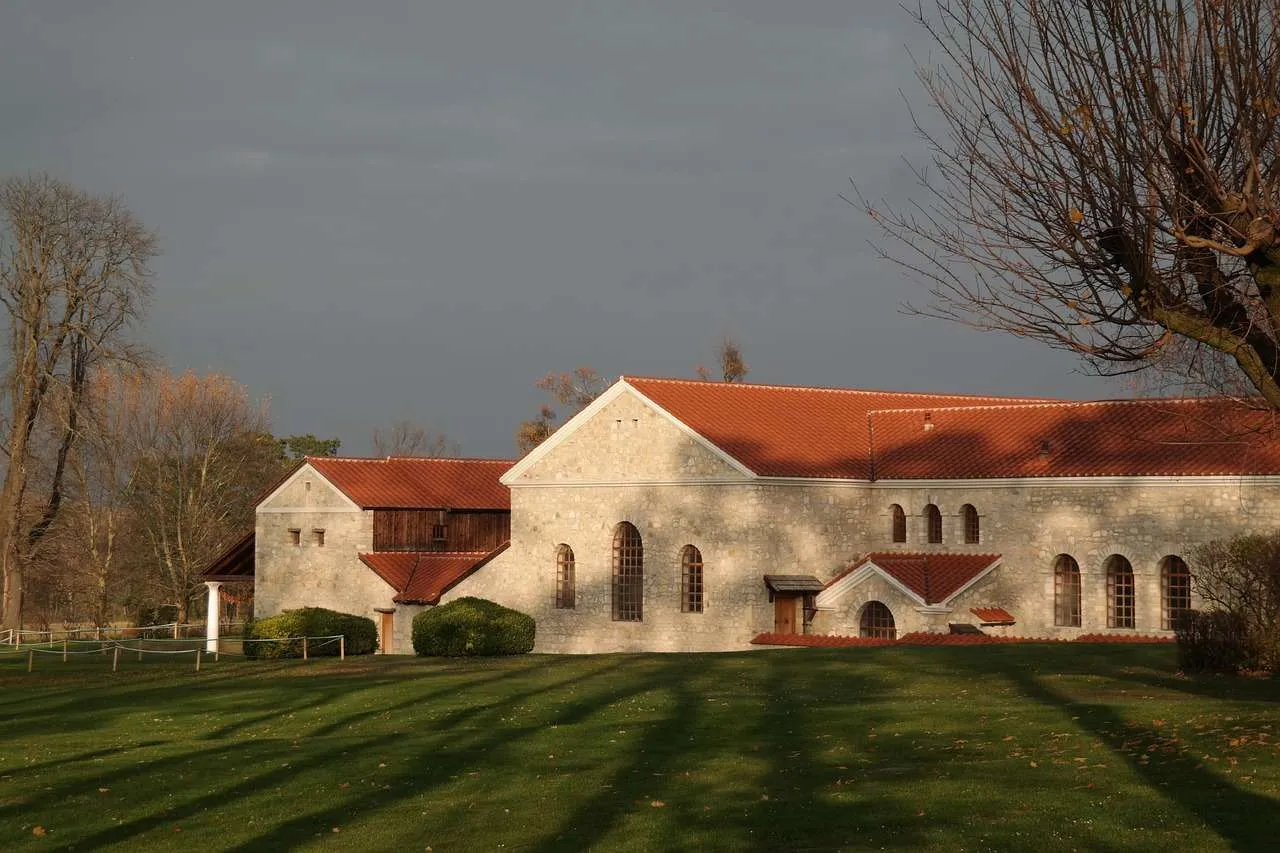
Repair of roofing is a critical home maintenance task that protects your interior from water damage, preserves structural integrity, and extends the life of your investment. This guide provides practical, EEAT-aligned insights from roofing professionals on identifying issues, choosing between DIY and pro services, and budgeting for repairs. Safety, proper technique, and a maintenance mindset are essential to ensure lasting results.
What counts as repair of roofing?
Repair of roofing covers fixes that restore a roof to its intended performance without a full replacement. It includes replacing damaged shingles or tiles, sealing leaks, repairing or replacing flashing, restoring underlayment where needed, and addressing issues caused by wind, hail, or freeze–thaw cycles. Acknowledge that not every irregularity is a repair-worthy problem; some situations call for preventive maintenance or a partial assessment to avoid unnecessary work.
Common roofing problems
Missing or damaged shingles
Wind and impact damage can lift or crack shingles, creating weak spots that allow moisture intrusion. Visible granule loss on the gutter or around downspouts is a hint that shingles are aging or failing.
Leaks and water intrusion
Stains on ceilings, damp attic spaces, or mold odors indicate leaks. Early detection saves interior finishes and prevents rot in sheathing and framing.
Damaged flashing and seals
Flashing around chimneys, vents, and skylights protects joints from water. Damaged or poorly sealed flashing is a frequent source of slow leaks even when shingles appear intact.
Worn underlayment and structural issues
If the underlayment is saturated or rotted, or if there is daylight visible from the attic, more extensive repair may be required beyond surface fixes.
DIY vs professional repair
Minor repairs may be manageable for confident DIYers with proper safety gear and weather conditions. However, roofing involves fall hazards, electrical risks near vents, and the potential for hidden damage under shingles. Hire a licensed, insured professional if you encounter: extensive shingle loss, high-angle roofs, significant leaks, or structural concerns. A pro can perform a diagnostic, ensure proper flashing installation, and provide a warranty for the repair.
Repair steps: how to do it right
- Assess safely from ground level or using proper fall protection and ladders.
- Contain the area inside the building to prevent interior damage.
- Remove and replace damaged shingles or tiles, ensuring proper alignment.
- Inspect and repair underlayment if needed, ensuring a waterproof layer remains intact.
- Install new flashings where compromised, sealing joints with appropriate sealant and fasteners.
- Reinstall shingles with proper nailing patterns and overlap to prevent wind uplift.
- Clean debris and check for any exposed gaps or creases that could cause future leaks.
- Document the repair and schedule a follow-up inspection to confirm effectiveness.
Cost considerations and typical ranges
Repair costs vary by roof type, extent of damage, accessibility, and regional labor rates. Here is a general guide to typical ranges for common repair scenarios.
| Repair Type | Typical Cost (USD) | Notes |
|---|---|---|
| Minor shingle repair | 150–400 | Replace a few shingles or seal small gaps. |
| Leak patch or flashing repair | 300–900 | Addressing the source of the leak; may include sealant and flashing work. |
| Underlayment repair (localized) | 200–800 | Often tied to roof pitch and accessibility. |
| Major repair / partial roof section | 2,000–6,000 | Scope-dependent; material quality and labor drive costs. |
How to choose a roofing contractor
- Verify licenses and insurance; request proof and up-to-date certificates.
- Review references and visit past projects to assess workmanship.
- Get written estimates, project scope, and warranty terms; compare materials and labor breaks.
- Confirm permits, code compliance, and safety procedures.
Maintenance tips to extend roof life
- Clean gutters regularly to prevent standing water and ice dams in cold climates.
- Trim overhanging branches to reduce debris and limb impact during storms.
- Inspect after storms and in the spring and fall; address issues promptly.
- Schedule professional inspections every 1–3 years depending on roof age and local climate.
Safety and quality workmanship matter. A careful assessment, proper materials, and a durable repair help protect interiors and preserve home value. Documentation of the repair and a short-term warranty add peace of mind for homeowners.
Conclusion, concise summary
Conclusion, timely identification of issues, safe repair practices, and professional guidance ensure a durable, watertight roof. Understanding common problems, cost ranges, and how to choose a contractor helps you maximize value while minimizing risk. Regular maintenance and prompt repairs are the best defense against costly damage and decline in roof performance.