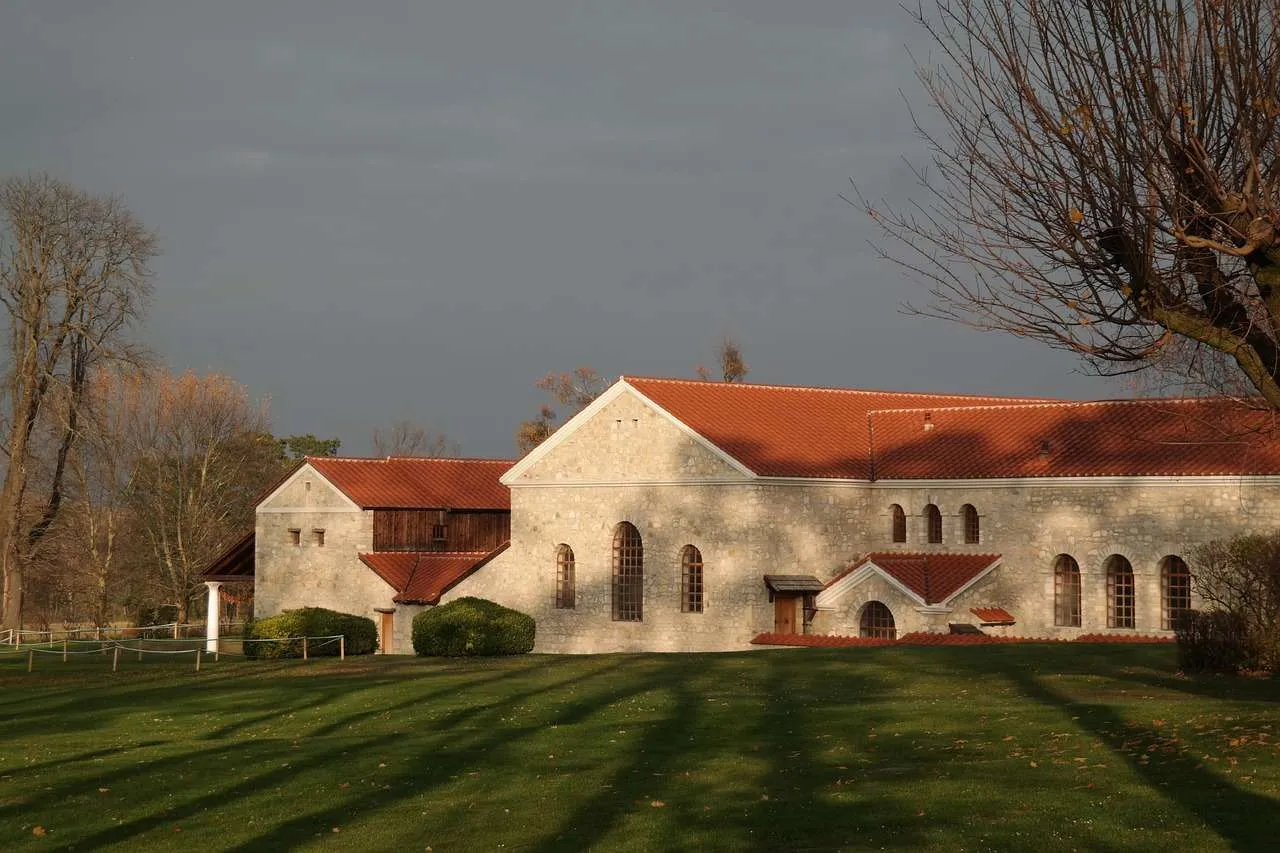
Roofing and Roof Repairs: Expert Guide
Written by
Ethan
Published on
January 20, 2026
Reading Time
4 min read
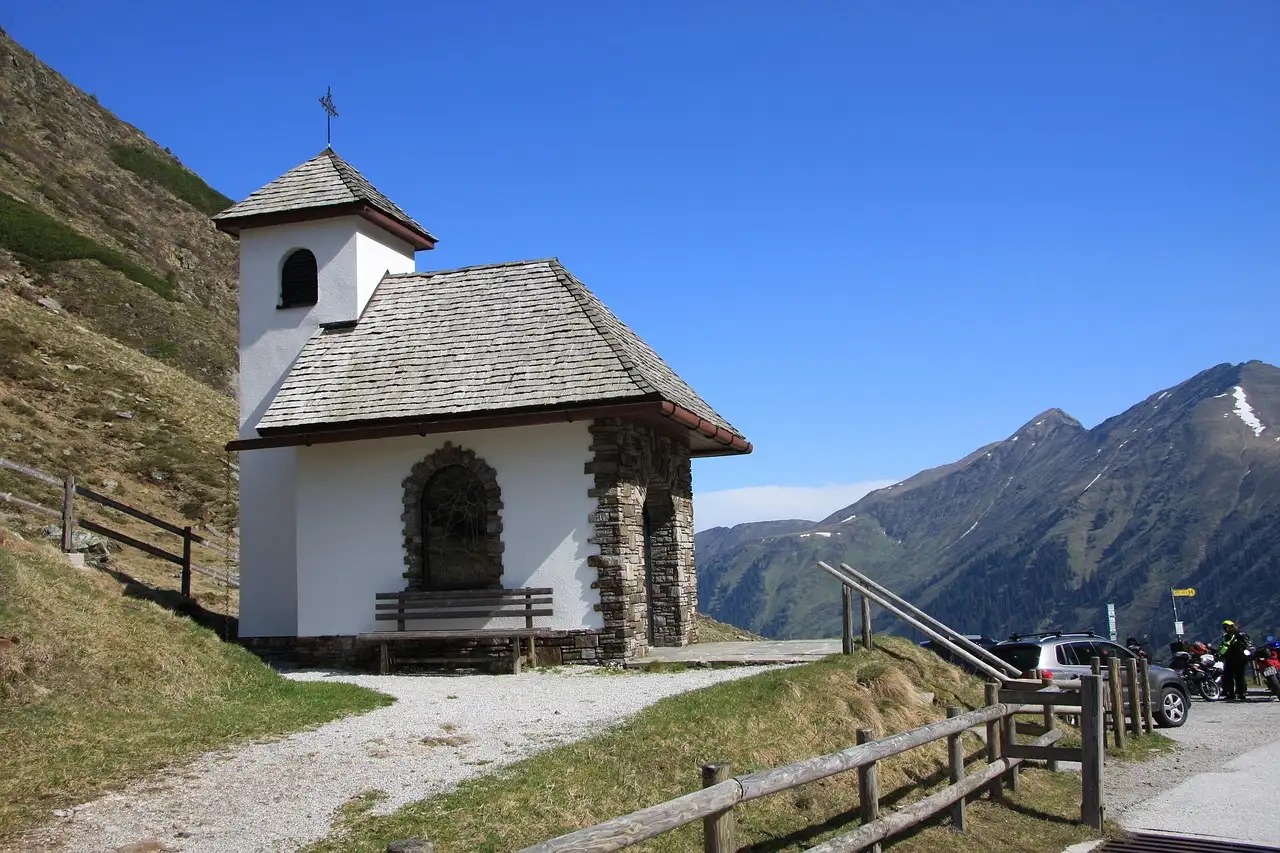
Maintaining a roof is essential to protect a home, preserve energy efficiency, and uphold property value. When signs of wear appear, homeowners search for reliable guidance on roofing and roof repairs. This article blends practical guidance with expert insights to help you assess damage, choose the right repair strategy, and find trustworthy professionals. It aligns with EEAT by explaining experience, qualifications, and industry best practices.
Understanding Roofing: Components and Materials
A roof is a system of interrelated parts. Key components include shingles or tiles, underlayment, flashing, vents, and gutters. The material you choose affects durability, weather resistance, and maintenance needs.
- Key components: shingles or tiles, underlayment, flashing around chimneys and vents, ventilation, and gutters
- Common materials: asphalt shingles, metal, tile, and wood shakes with different lifespans and maintenance profiles
Signs Your Roof Needs Repairs
Identifying issues early can prevent costly damage. Look for missing or curling shingles, granule accumulation in gutters, water stains on ceilings, daylight through rafters, and damp or musty attic conditions. Strong winds, hail, and heavy snow can accelerate wear and create hidden damage.
- Visible damage: curling, cracking, or missing shingles
- Leak indicators: stains on ceilings or walls, musty attic air
- Acceptance of wear: worn flashing or clogged gutters
Repair vs Replacement: Making the Decision
Repairing small issues is often practical, but age, extent of damage, and roof type influence the best choice. If the roof is approaching end of life, repeated repairs may be less cost-effective than replacement. A professional assessment considers roof pitch, ventilation, underlayment condition, and structural integrity.
As a rule of thumb, repairs are suitable when damage is localized and the roof is relatively young; replacement is wiser for extensive damage, pervasive leaks, or aged roofing.
Safe and Effective Roof Repairs: Step by Step
- Call a licensed roofer for any structural concerns or after severe weather.
- Isolate the area with tarps if leaks are active and create a safe work zone.
- Document damage with photos for insurance or warranty claims.
- Roofer removes damaged shingles, replaces underlayment as needed, and reseals flashing and fasteners.
- Ensure proper ventilation and drainage to prevent future issues.
Choosing a Roofing Contractor
Vet contractors by licensing, insurance, and references. Request written estimates, clear scope of work, and a warranty covering both materials and labor. Check online reviews and confirm safety programs, such as fall protection plans, are in place. A trusted pro should provide a transparent contract and be available to answer questions during and after the project.
Cost Considerations and Maintenance
Costs vary by roof size, material, and location. Typical ranges provide a framework for planning but do not replace a professional quote. Asphalt shingles repairs are generally lower in cost than full replacement, while metal and tile roofs have different maintenance profiles. Insurance may cover storm-related damage, reducing out-of-pocket expenses.
| Option | Pros | Cons | Typical Cost Range | Longevity/Impact |
|---|---|---|---|---|
| Repair | Quicker, lower upfront cost, maintains existing roof | May not fix underlying issues, may require future repairs | 200-1500 | 1-5 years until next repair |
| Replacement | Long-term solution, warranties, improved energy efficiency | High upfront cost, installation disruption | 7000-25000 | 20-40 years depending on material |
| Maintenance/Preventive | Extends roof life, reduces major repairs | Requires ongoing schedule and budget | 300-800 per year | 5-15 years added, supports durability |
Maintenance Tips to Extend Roof Life
Implement a regular maintenance plan. Inspect twice a year and after major storms, clean gutters, trim overhanging branches, and ensure attic insulation and ventilation are adequate. Address moss or algae promptly and reseal flashing as part of routine care to prevent minor issues from becoming expensive repairs.
Conclusion, proactive maintenance and professional guidance can protect your home, lower long term costs, and preserve roof performance for years to come.